A city of stone and glass
On New York's architectural history, seen through the homes of those shaping it today.
New York is defined by so many things. Its heights, its hustle, the sheer verticality and presence it commands.
Everyone here unmistakably speaks about the energy of the city itself, as if it is alive. On private residence shoots, we began to understand why. Standing out most was the personality of different neighbourhoods. Stepping inside the homes of artists, photographers and creatives in the city, it became clear the city is as much shaped by those in it now as it is by the history it holds, and vice versa.
We see it most clearly in two shoots.
The Upper West Side loft of a paper-making artist, and the river view apartment of a fashion photographer, with windows meeting Lady Liberty at the mouth of the Hudson.
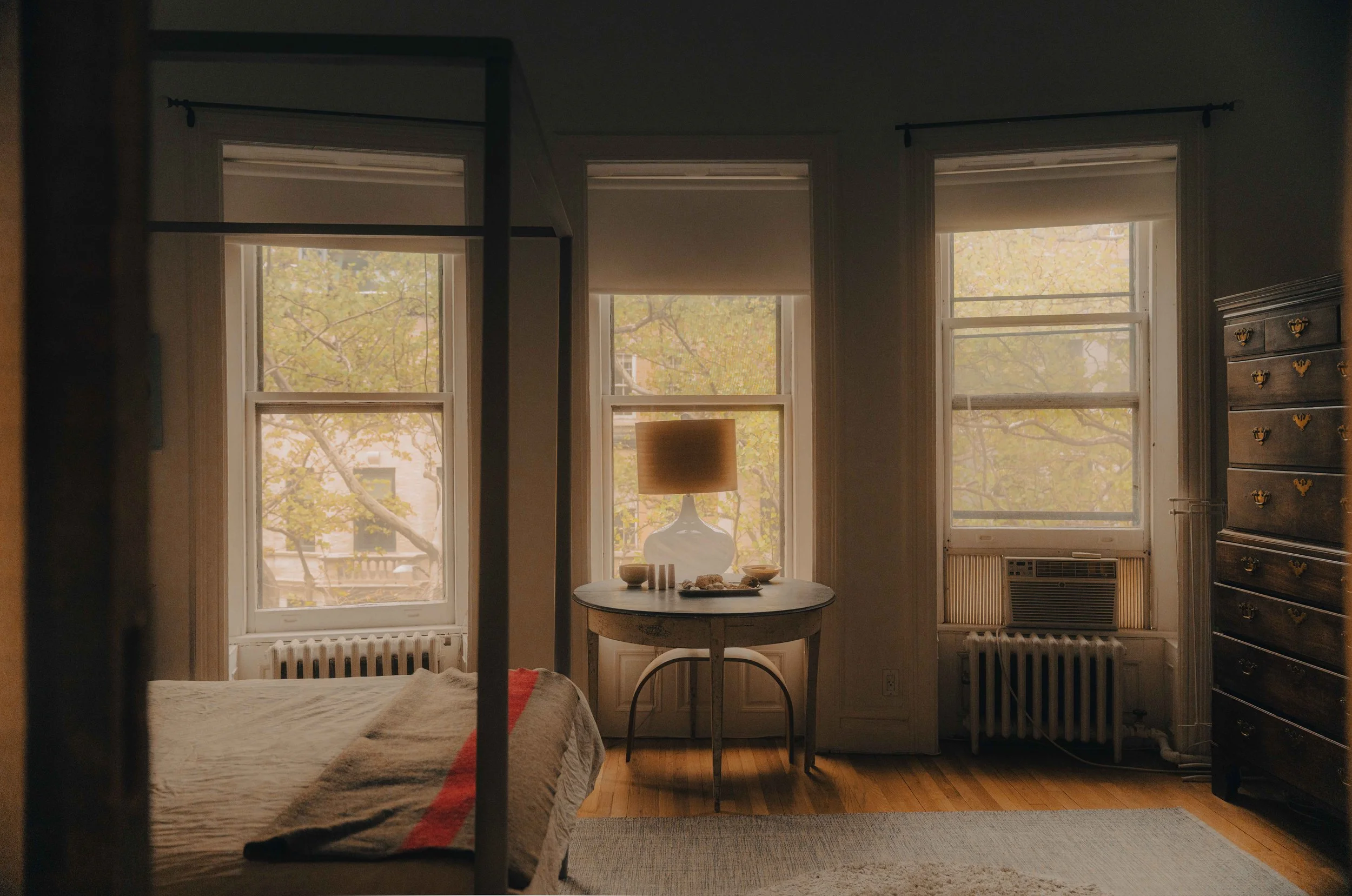
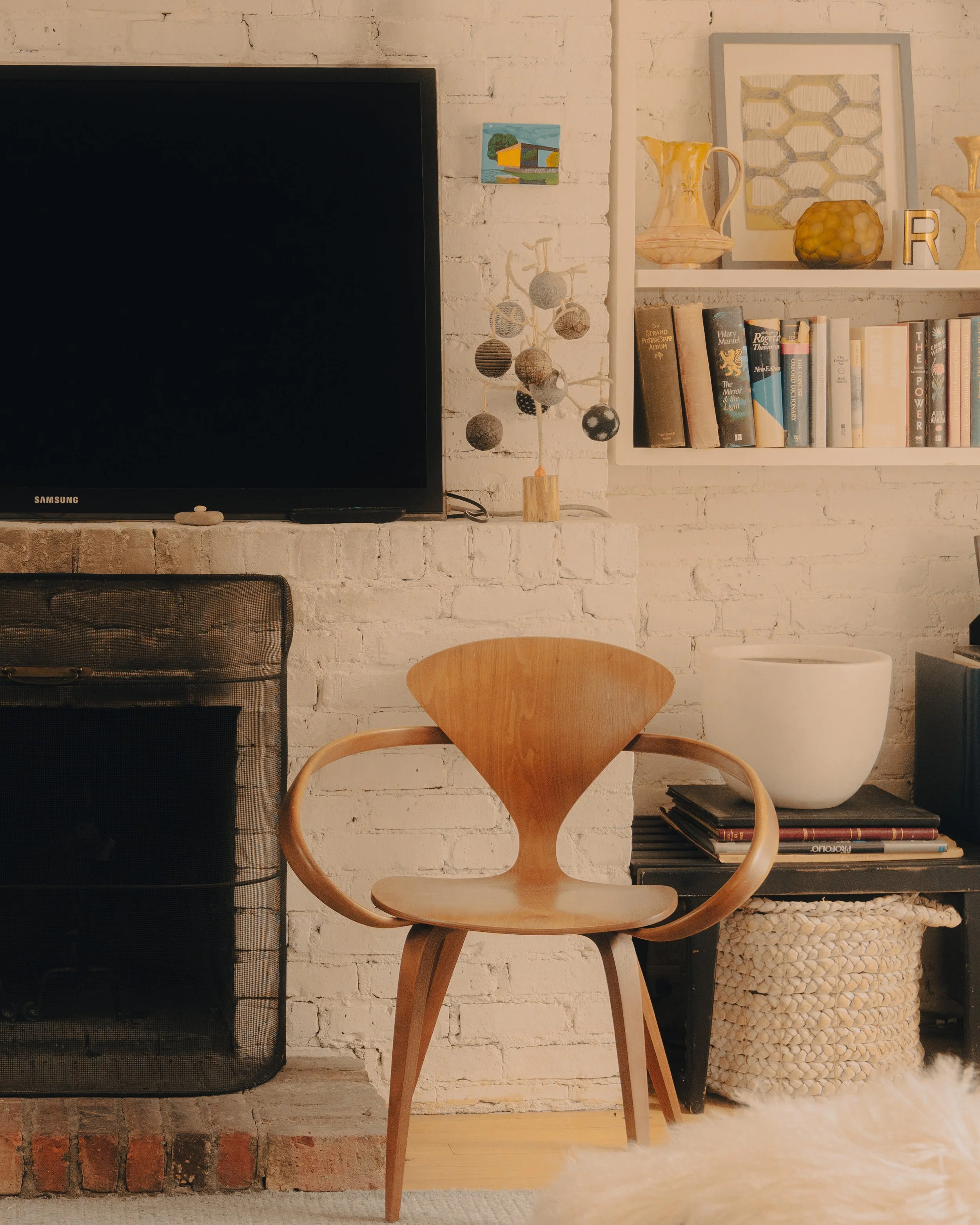
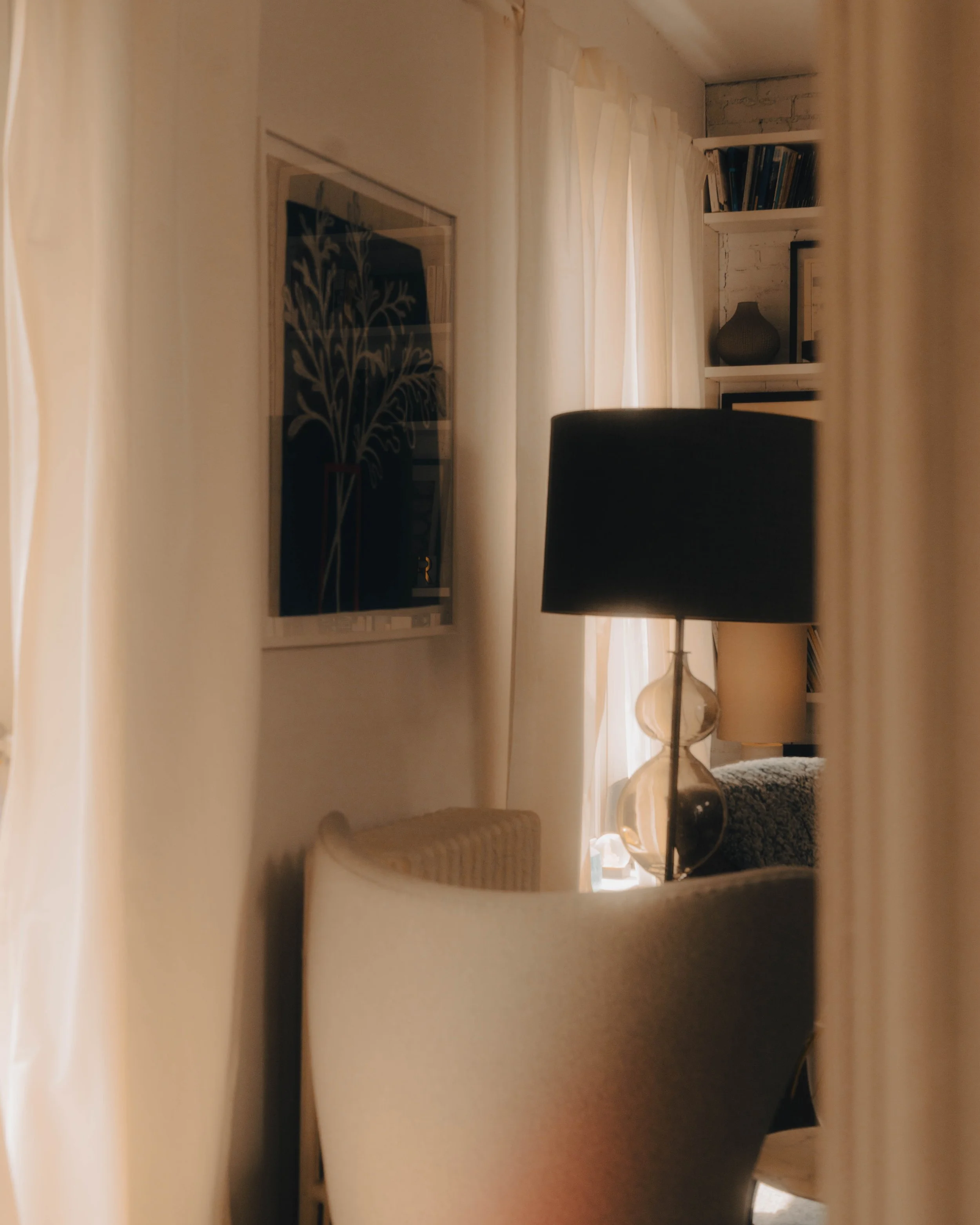
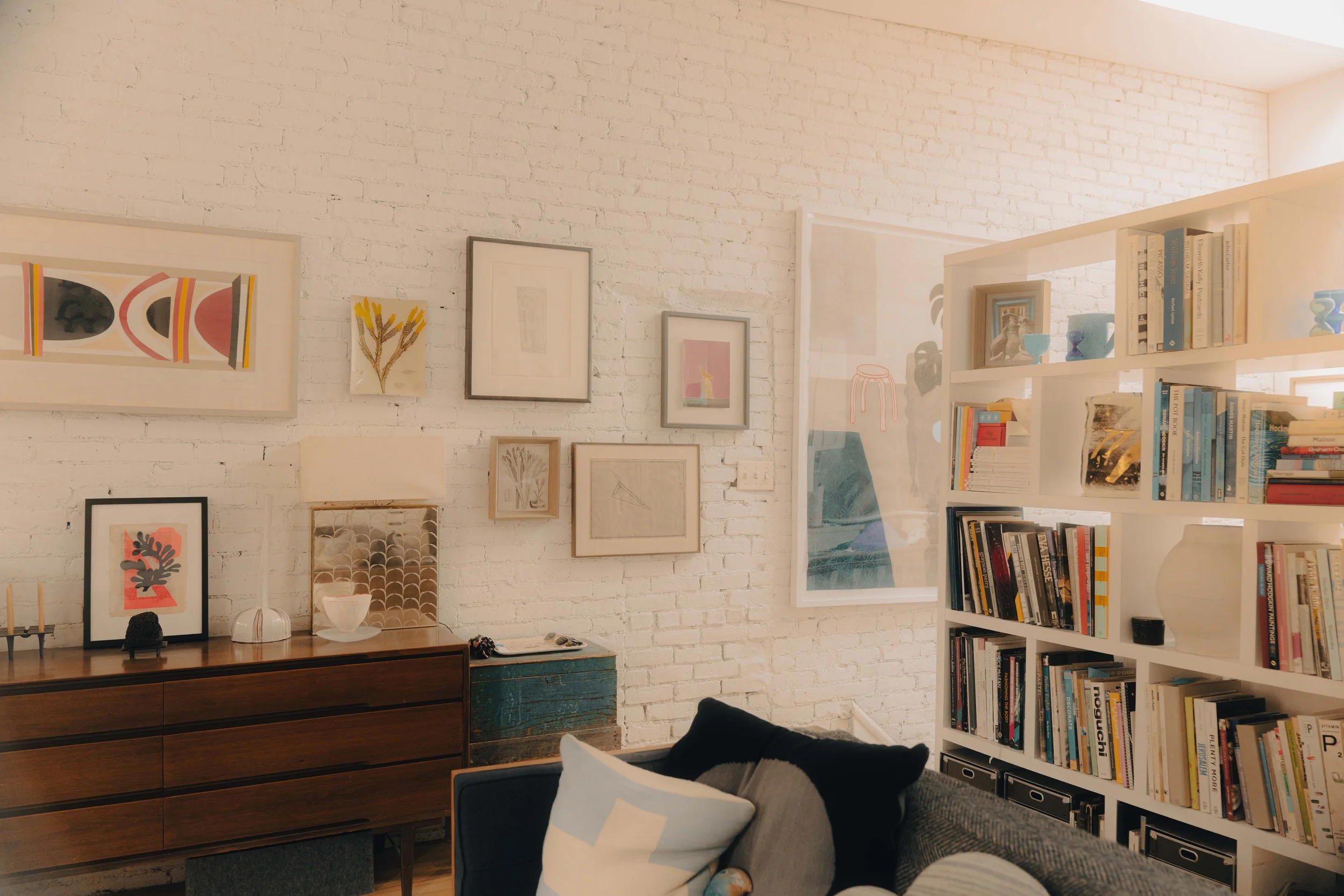
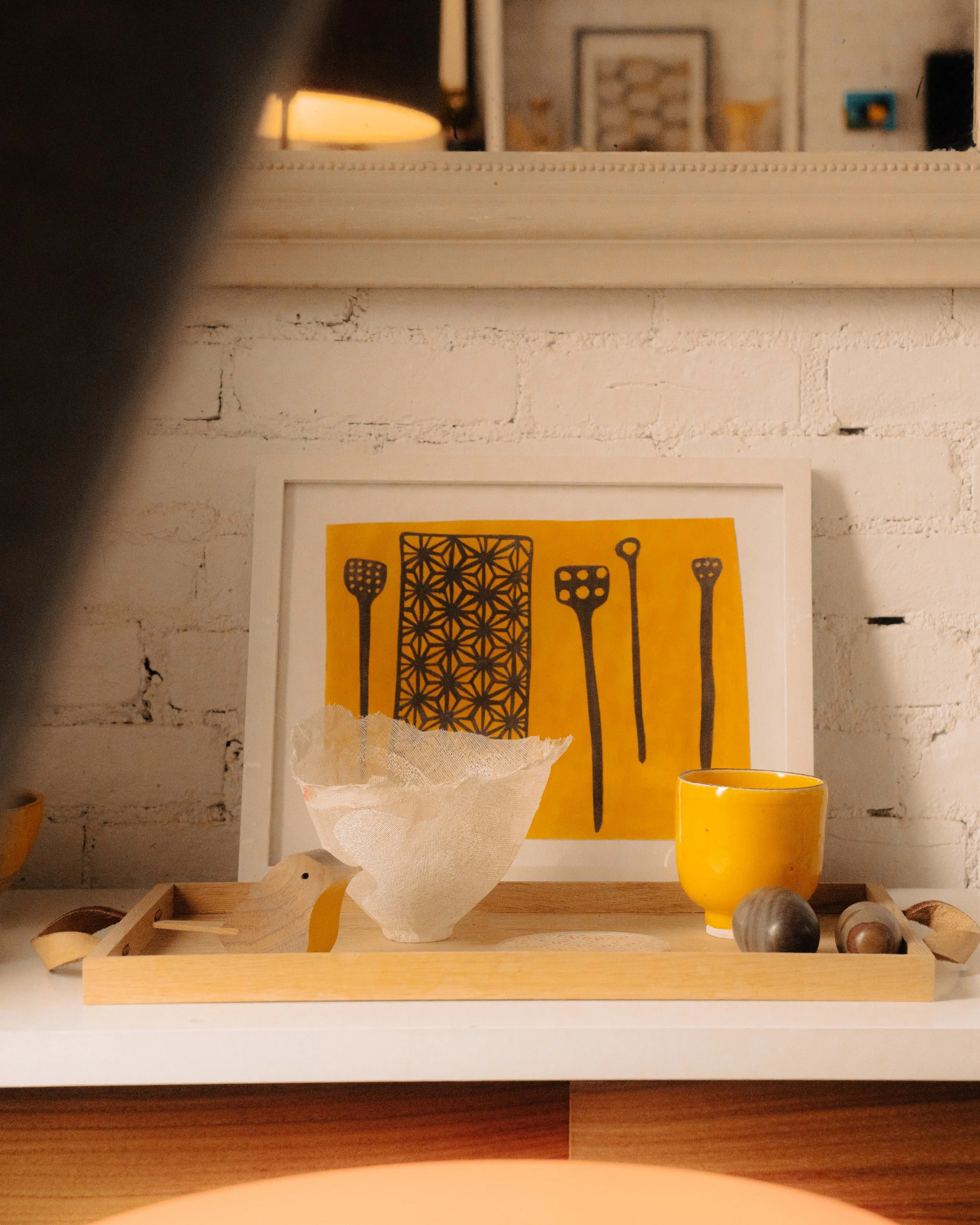
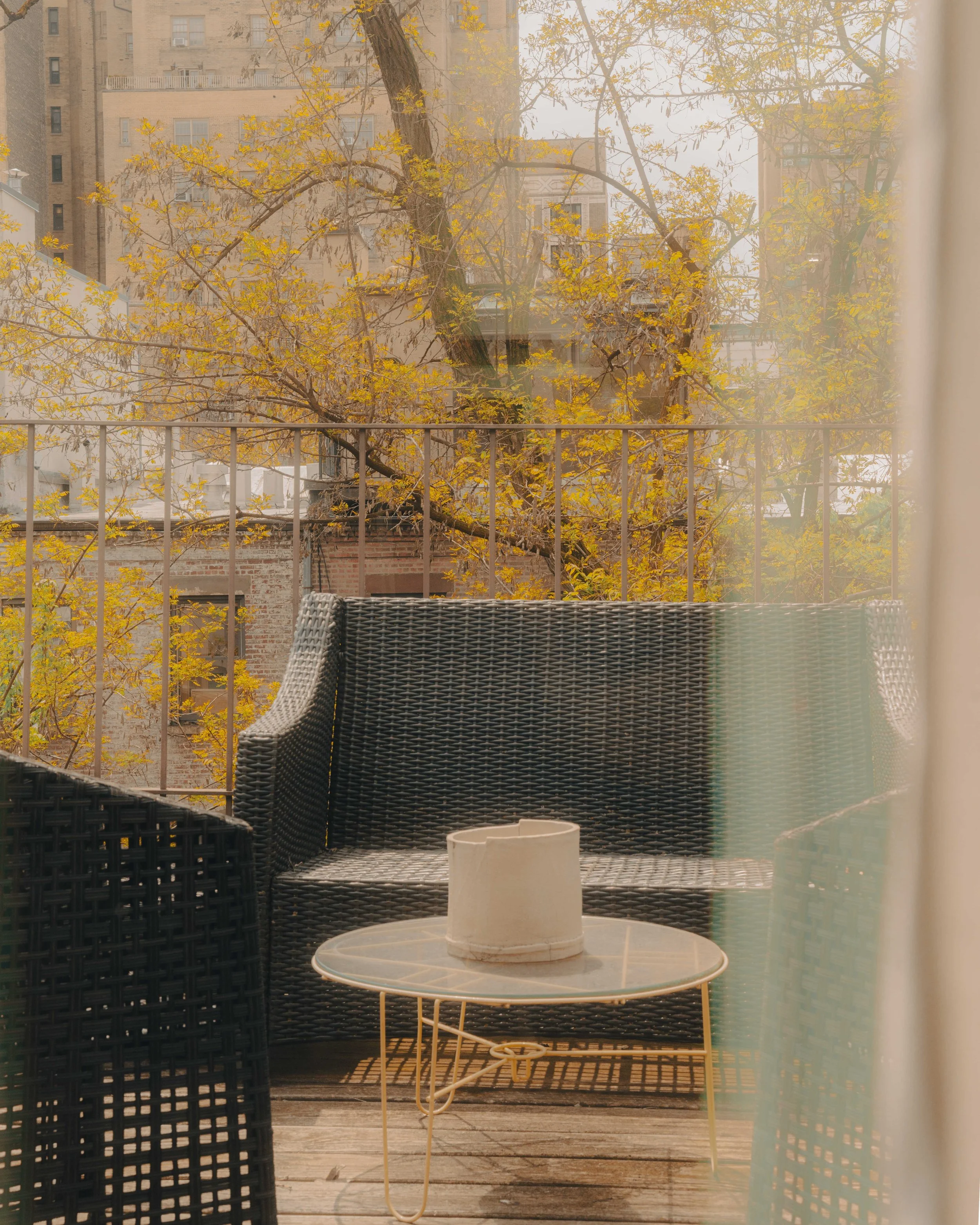
The Upper West Side brownstone belongs to the late nineteenth century building boom, when Renaissance Revival and Queen Anne architecture spread across toward Central Park, the island city discovering itself. It was designed to give the illusion of something monumental, European, old world. Sandstone cut and finished to hide the brick construction underneath.
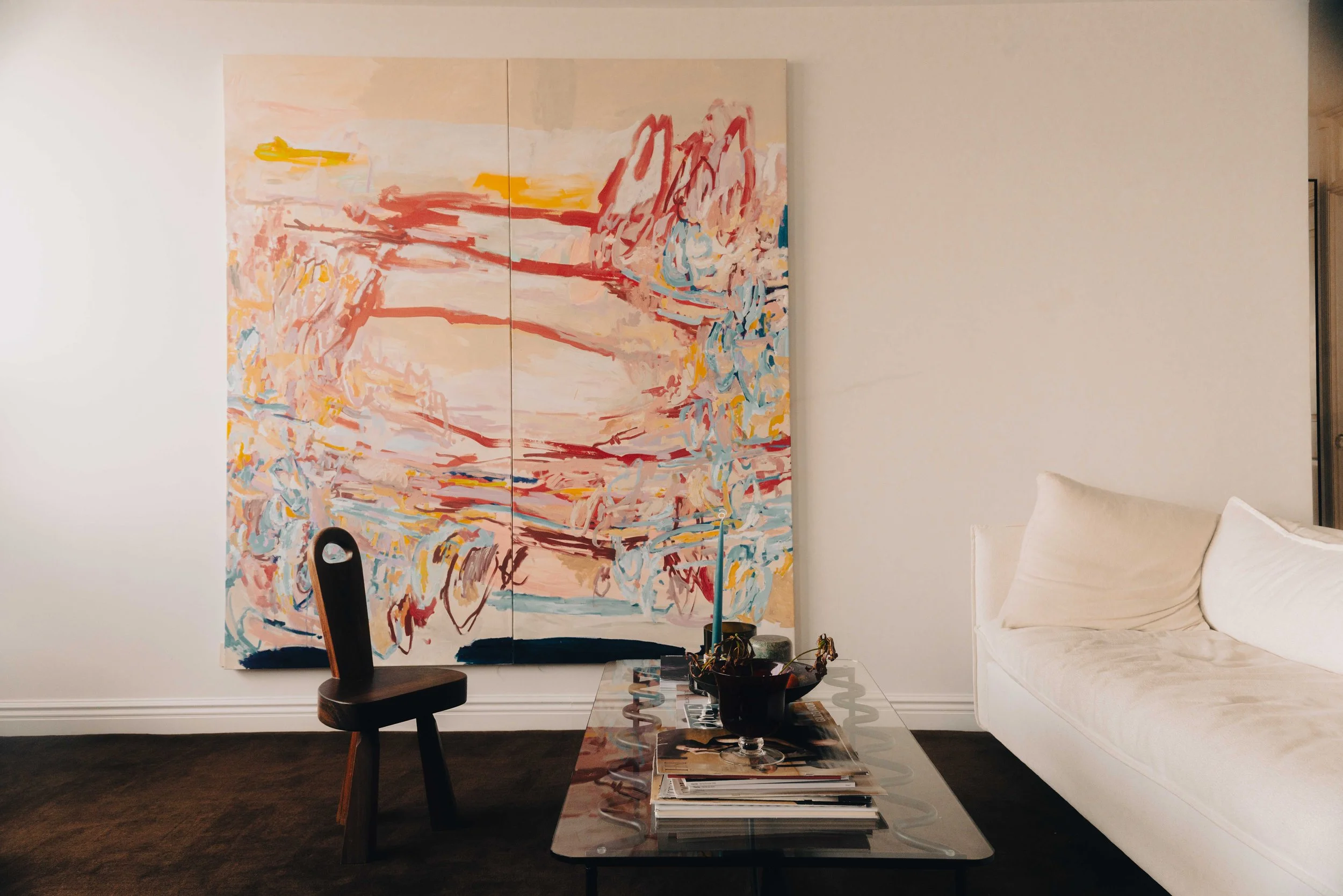
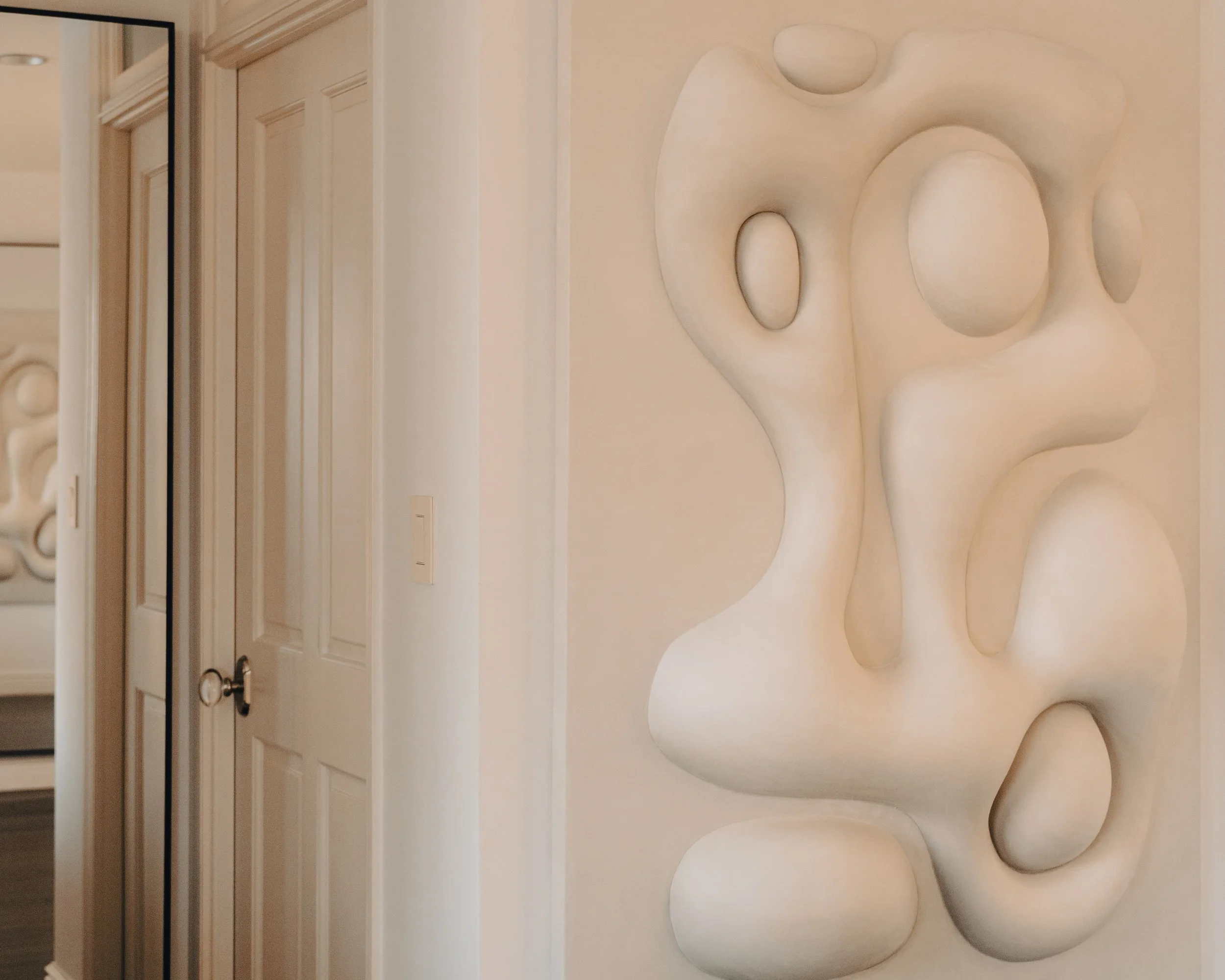
Up the steps and through the portico, the loft is showered in light. The brick facade, so typical of New York, is whitewashed. On it, a salon hang of original artworks covers every wall. A four poster bed. A terrace looking out over the greenery that runs toward Central Park. A home built from a lifetime of interests, experiments, excitement and creation. The whole interior as a portrait.
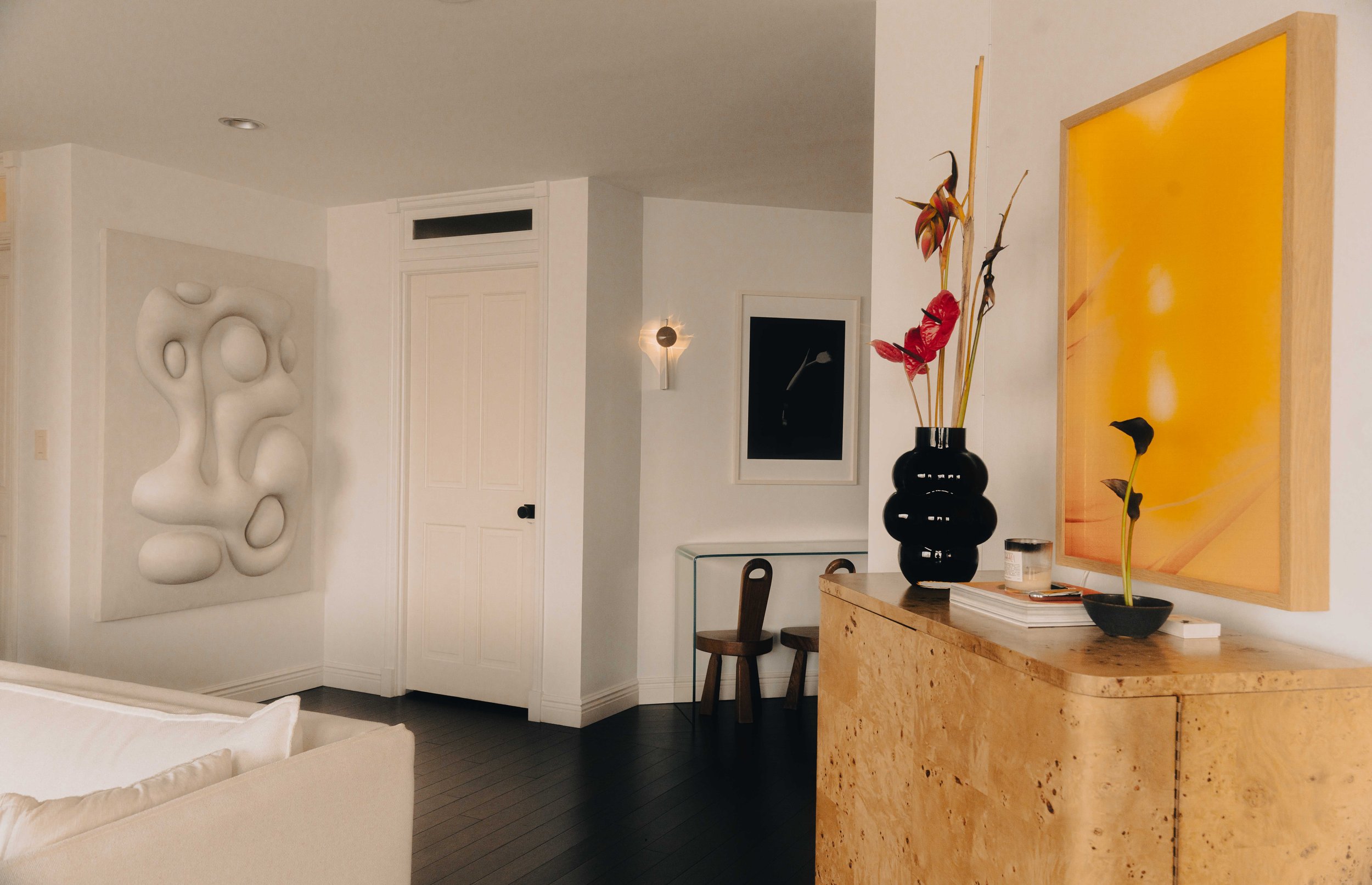
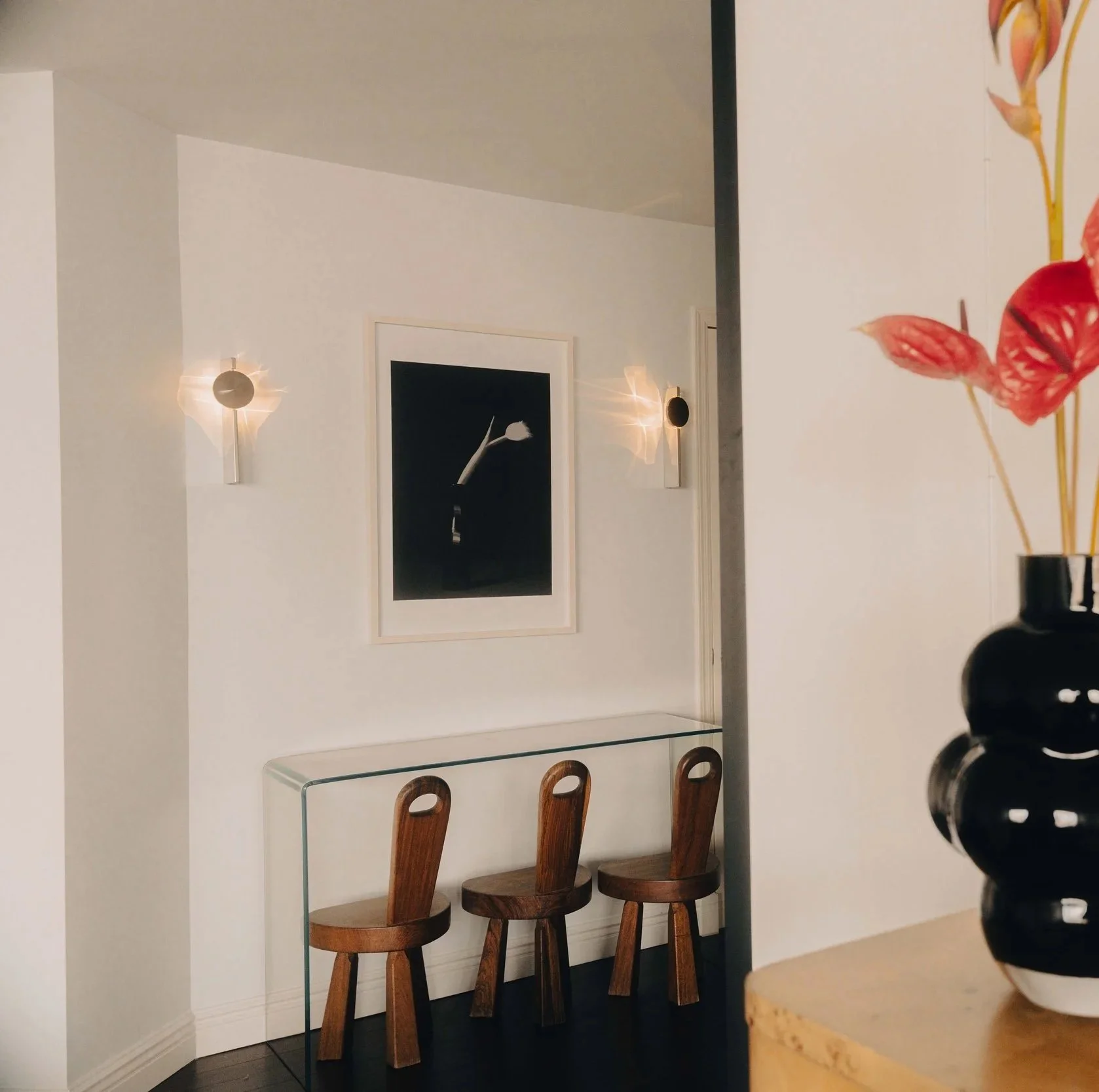
Downtown the portrait changes, looks to the future. Battery Park City began as a vision of what cities could be. Its monumental, ambitious, but another century's ambition entirely.
Things aren't wider here, but higher. They dwarf and shadow in the search for light. Its maze opens up into a series of riverfront promenades and parks connecting the waterfront to the city.
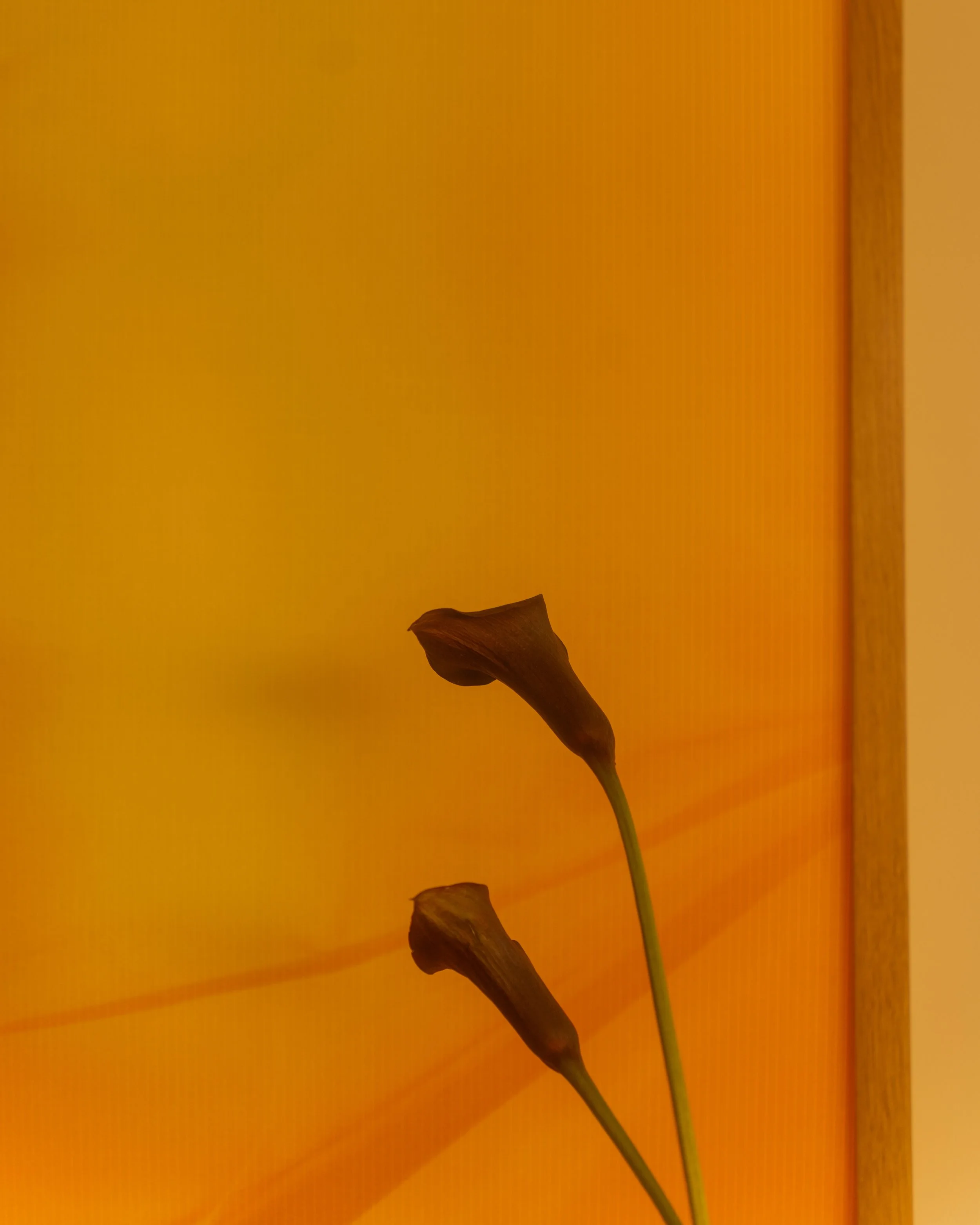
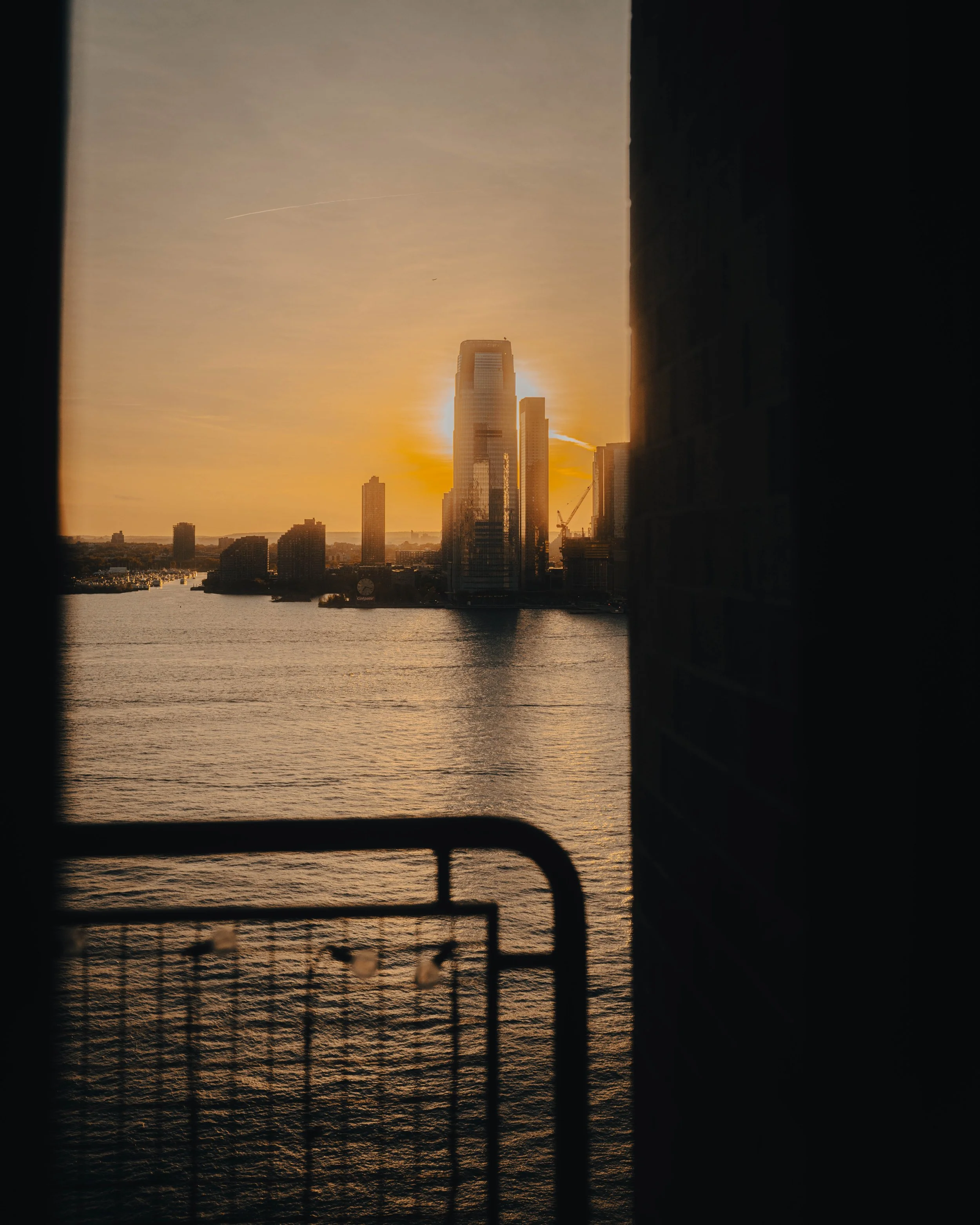
Where the Upper West Side grew organically across decades, Battery Park was conceived whole. Rector Place reflects that origin: glass, water and sky. The mouth of the Hudson was the entry point to New York for generations, greeted by the Statue of Liberty. All of this is visible from the 22nd floor, windows holding the panorama in a single frame. It is no wonder a photographer lives here. It offers escape and somehow serenity in a city that does not offer that up naturally. And the interior matches. Choice original works demand the white walls that surround them. A space as tidal as the sea it lets in.
For enquiries, studio@atelieretal.com